
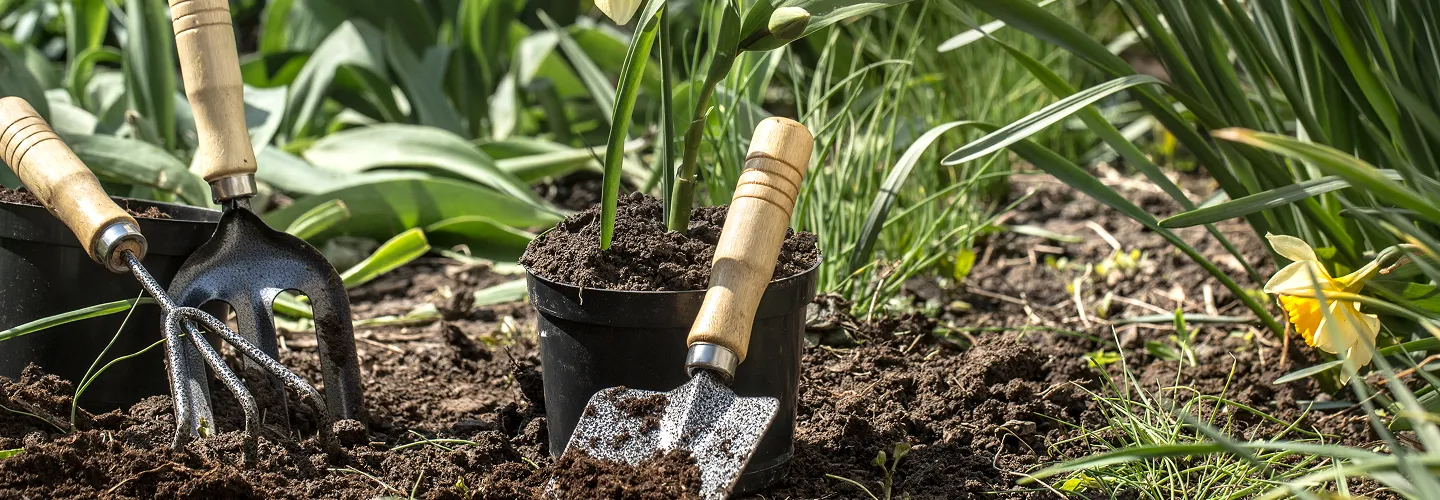
Madison Green Waste Disposal Services
Choose our Green Waste Disposal for reliable, environmentally responsible service that keeps your property clean and supports a healthier community—experience hassle-free pickups, expert handling, and a commitment to sustainability.
Get a Free QuoteOur Madison Landscaping & Yard Care Services
When to Schedule Green Waste Disposal in Madison, Connecticut – Seasonal Guide
In Madison, Connecticut, the best times to schedule green waste disposal are closely tied to the region’s distinct seasonal changes and local landscape features. Spring and late fall are typically optimal, as these periods coincide with major yard cleanups following winter storms or in preparation for summer growth. Madison’s proximity to Long Island Sound means the area experiences moderate humidity and occasional coastal storms, which can lead to increased debris in neighborhoods like East Wharf and the historic district near the Town Green.
Local environmental factors such as the last frost date—usually in late April—impact when residents can safely begin yard work without risking damage to new growth. Areas with dense tree coverage, such as those near Hammonasset Beach State Park, often require more frequent disposal due to leaf and branch accumulation. Soil type, ranging from sandy near the shoreline to heavier loam inland, also affects how quickly organic material breaks down. For more information on local environmental guidelines, visit the Town of Sudbury’s resource page.
Local Factors to Consider for Green Waste Disposal in Madison
- Tree density and types of vegetation on your property
- Proximity to coastal areas and risk of storm debris
- Typical precipitation patterns and drought risk
- Municipal restrictions on disposal timing and methods
- Terrain and accessibility for disposal vehicles
- Shade coverage and its effect on debris accumulation
Benefits of Green Waste Disposal in Madison

Eco-Friendly Waste Management
Promotes Healthy Landscapes
Reduces Landfill Usage
Convenient Pickup Services
Supports Local Sustainability
Cost-Effective Disposal Solutions

Madison Green Waste Disposal Types

Grass Clippings
-
Leaves and Foliage
-
Tree Branches
-
Shrub Trimmings
-
Garden Debris
-
Wood Chips
-
Weeds and Plants
Our Green Waste Disposal Process
Collection of Green Waste
Sorting and Separation
Transport to Disposal Facility
Eco-Friendly Processing
Why Choose Madison Landscape Services
-
Madison Homeowners Trust Us
-
Expert Lawn Maintenance
-
Reliable Seasonal Cleanup
-
Competitive Pricing
-
Professional Team
-
Satisfaction Guarantee
-
Personalized Service
Madison’s Weekly Green Waste Collection: Procedures, Schedules, and Accepted Materials
Green waste disposal in Madison is managed through a municipal curbside collection program administered by the Department of Public Works. Collection occurs every Thursday from April through November, with residents required to place yard waste at the curb by 7:00 AM. Accepted materials include leaves, grass clippings, and brush under 4 feet in length and 4 inches in diameter. All green waste must be contained in biodegradable paper bags or reusable bins not exceeding 32 gallons; plastic bags are strictly prohibited. Branches over 4 inches in diameter or mixed construction debris will not be collected. Residents are advised to keep piles clear of storm drains and roadways to prevent flooding and ensure compliance with the town’s MS4 stormwater permit. For detailed collection guidelines and annual schedules:
Madison Department of Public Works
8 Campus Drive, Madison, CT 06443
Phone: (203) 245-5611
Official Website: Madison Department of Public Works
Soil Series and Drainage Considerations for Green Waste in Madison’s Coastal and Inland Areas
Madison’s landscape features a mix of glacial till soils, including the Paxton and Montauk series, which are moderately to poorly drained and often stony. Coastal neighborhoods may encounter excessively drained sandy soils, while inland areas experience seasonal high water tables at 12-18 inches. These conditions affect both the decomposition rate of green waste and the risk of nutrient runoff. To minimize environmental impact, composting piles should be sited on level ground at least 25 feet from wetlands or water bodies, and never within mapped floodplains. Soil pH in Madison typically ranges from 5.5 to 6.5, so lime amendments may be necessary for optimal composting. Residents can access detailed soil maps and guidance through the USDA Web Soil Survey and consult UConn Extension for soil testing services.
Environmental Compliance: Wetland Buffers, Stormwater, and State Green Waste Regulations in Madison
Proper green waste disposal in Madison is governed by both local ordinances and state environmental laws. The Connecticut Environmental Protection Act and the town’s MS4 permit prohibit dumping yard waste in wetlands, streams, or storm drains. A 25-foot no-disturbance buffer is required from all regulated wetlands, and no green waste may be stockpiled within 50 feet of open water. The Connecticut Department of Energy and Environmental Protection (CT DEEP) enforces these standards, and violations may result in fines. Residents should also avoid applying fertilizer or compost within 50 feet of water bodies to protect Long Island Sound and local aquifers. For questions about wetland boundaries or compliance:
Madison Conservation Commission
8 Campus Drive, Madison, CT 06443
Phone: (203) 245-5632
Official Website: Madison Conservation Commission
Equipment Operation and Safety Standards for Green Waste Handling in Madison
The Town of Madison enforces specific safety and operational standards for green waste handling. Equipment such as chippers and mowers may be operated:
- Monday-Friday: 7:00 AM - 7:00 PM
- Saturday: 8:00 AM - 6:00 PM
- Sunday and holidays: Prohibited All operators must use ANSI Z87.1 rated safety glasses, hearing protection for noise above 85 dB, and steel-toed boots. When working near public roads, a 15-foot safety buffer from traffic is required, and high-visibility vests must be worn. Commercial haulers must maintain equipment in good repair to prevent hydraulic leaks and emissions. For questions on equipment standards or noise ordinances:
Madison Police Department
9 Campus Drive, Madison, CT 06443
Phone: (203) 245-2721
Official Website: Madison Police Department
What Neighborhoods Do We Serve Throughout Madison, CT?
- Downtown Madison: Features older homes with compact lots and mature trees, requiring frequent leaf and brush collection. Narrow streets and historic district status may limit equipment access.
- Neck Road/Goose Lane Area: Characterized by larger lots, heavy woodland, and proximity to tidal wetlands, necessitating strict buffer compliance and careful debris management.
- East River District: Includes properties adjacent to the East River and salt marshes, where wetland protection and stormwater controls are critical for green waste disposal.
- North Madison: Contains newer subdivisions with clay-rich soils and moderate slopes, presenting challenges for drainage and compost pile siting.
- Hammonasset Area: Near Hammonasset Beach State Park, this area has sandy soils and high water tables, requiring special attention to prevent nutrient runoff into protected habitats.
- Heatherwood/Heather Lane: Suburban neighborhood with HOA guidelines affecting container types and collection timing, as well as tree density impacting seasonal debris volume.
- Barberry Farms: Coastal neighborhood with small lots, frequent flooding, and strict municipal oversight of curbside collection and stormwater management.